 Shopping Cart -
- Anti-hestaminic & Respiratory Drugs
- Anti-inflammatory Drugs +-
- Baby & Mom +-
- Baby & Mom > Bath, skin & Hair > Skin Care > wibes
- Beauty +-
- Beauty > Skin Care > whitening
- Chemotherapy & Immune Response +-
- Chemotherapy & Immune Response > ANTI-FUNGAL
- Chemotherapy & Immune Response > Chemotherapeutic Agents > Hormone Antagonists >Enzyme Inhibitors
- CIRCULATORY DISTURBANCE AGENTS
- Diet & Fitness Products +-
- DRUG AFFECTING CENTRAL NERVOUS SYSTEM
- HEMATOLOGY
-
Medical Supplies
+-
- Chemicals & Disinfectants
- Dental Supplies
- Devices & Instruments
- Diabetic Supplies
- General Medical Supplies
- I.V & Medical Solution
- Intensive Care Unit & Anesthesia Supplies
- KIDNEY UNIT SUPPLIES
- Lab Supplies
- Miscellaneous
- Neonatal Unit Supplies
- Operation Room Supplies
- Sanitary
- Sterilization Supplies
- Surgical Sutures
- Syringes
- Medicines & Health +-
- Medicines & health > Gout releif
- Natural & Organic Products +-
- OTC > Analgesics > Anti-inflammatory Drugs
- Personal Care +-
-
Prescription Drugs
+-
- Analgesics
- Cardiovascular System
- Drugs Affecting Musculoskeletal System
- Drugs Used In Infections
- Ear & Nose Drugs
- Endocrine System
- Gastrointestinal Tract
- Gastrointestinal Tract > Hepatology > Liver treatment
- GYNECOLOGY
- Miscellaneous
- NEPHROLOGY > URINARY SYSTEM > RENAL DISORDERS > URINARY TRACT DISORDERS
- NEUROLOGY
- Nutrients & Blood Electrolytes
- Respiratory System
- SKIN > NAILS > HAIR > TOPICAL PREPARATIONS
- Vaccines
- Prescription drugs > Cardiovascular system > Anti-hypertension drugs
- Sexual Wellness +-
- Vitamins & Minerals Supplements +-

Ex Tax: 334EGP
Example
You can return the product within 14 days of purchase.
ReturnsYou can return the product within 14 days of purchase.

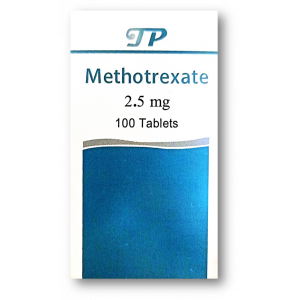
METHOTREXATE 2.5 MG ( METHOTREXATE ) 100 TABLETS
METHOTREXATE 2.5 MG
Methotrexate | 100 Tablets | Oral Antimetabolite and Immunosuppressant
Medical Description
Methotrexate 2.5 mg contains methotrexate, a folate antagonist belonging to the antimetabolite class of medications. It has immunosuppressive, anti-inflammatory, and antineoplastic properties, depending on the dosage and treatment regimen.
Methotrexate works primarily by inhibiting dihydrofolate reductase (DHFR), an enzyme involved in folate metabolism and the synthesis of DNA and RNA. This action interferes with cellular proliferation and modifies immune system activity.
At low doses, methotrexate is widely used to manage autoimmune and inflammatory conditions, including rheumatoid arthritis, psoriasis, and certain other inflammatory diseases. At higher doses and under specialized protocols, it is also used in the treatment of certain cancers.
Methotrexate 2.5 mg tablets allow individualized dosing and dose adjustment according to the patient's medical condition, therapeutic response, and tolerability.
For inflammatory and autoimmune diseases, methotrexate is generally taken ONCE WEEKLY, NOT DAILY. Taking it every day instead of once weekly can cause severe toxicity, hospitalization, or death. The prescribed weekly dose must be clearly understood before treatment begins.
Active Ingredient
|
Ingredient |
Strength |
|---|---|
|
Methotrexate |
2.5 mg per tablet |
Active ingredient characteristics:
- Methotrexate: A folic acid antagonist that inhibits cellular DNA synthesis and reduces the activity of rapidly dividing cells. At low doses, it also exerts immunomodulatory and anti-inflammatory effects.
- Dosage form: Oral tablets.
- Pack size: 100 tablets.
Indications and Uses
Methotrexate is prescribed for several autoimmune, inflammatory, and malignant conditions, depending on the treatment protocol.
- Rheumatoid Arthritis: Helps reduce joint inflammation, swelling, pain, and disease progression by modifying immune system activity.
- Severe Psoriasis: Helps control excessive skin cell proliferation and reduce inflammatory skin lesions.
- Psoriatic Arthritis: Helps manage joint inflammation and certain skin manifestations associated with psoriatic disease.
- Juvenile Idiopathic Arthritis: Used in selected children to control persistent inflammatory joint disease.
- Crohn's Disease: May be prescribed in selected patients to maintain remission and control inflammatory activity.
- Certain Cancers: Used in specialized oncology protocols for certain malignancies, including acute lymphoblastic leukemia and selected lymphomas.
- Other Autoimmune Conditions: May be prescribed off-label for selected inflammatory and autoimmune disorders when clinically appropriate.
Mechanism of Action
Methotrexate acts primarily by interfering with folate metabolism and cellular proliferation.
- Dihydrofolate Reductase Inhibition: Inhibits DHFR, reducing the availability of tetrahydrofolate required for DNA and RNA synthesis.
- Inhibition of Cellular Proliferation: Interferes with the production of nucleotides, limiting the growth and multiplication of rapidly dividing cells.
- Anti-inflammatory Activity: At low doses, increases extracellular adenosine signaling, which contributes to its anti-inflammatory effects.
- Immunomodulatory Effects: Reduces the activity of certain immune cells and inflammatory pathways, helping control autoimmune disease activity.
These mechanisms explain its therapeutic applications in both inflammatory disorders and certain cancers.
Dosage and Administration
The dosage is individualized according to the indication, disease severity, treatment response, laboratory findings, and patient characteristics.
Common adult dosing examples for inflammatory conditions:
|
Condition |
Typical dosage reference |
|---|---|
|
Rheumatoid arthritis |
Starting dose commonly 7.5 mg once weekly, adjusted according to response |
|
Psoriasis |
Commonly 10–25 mg once weekly |
|
Crohn's disease |
Individualized specialist-directed weekly regimen |
Administration instructions:
- For inflammatory and autoimmune conditions, methotrexate is generally taken as a single weekly dose on the same day each week.
- The 2.5 mg tablets allow the physician to prescribe the required total weekly dose.
- Tablets should be swallowed according to the prescribed instructions.
- Folic acid supplementation is commonly prescribed to reduce certain adverse effects.
- Oncology dosing schedules are different and must follow the specific chemotherapy protocol.
Accidental daily administration instead of weekly administration can cause severe bone marrow suppression, gastrointestinal injury, organ toxicity, and potentially fatal complications.
Contraindications
Methotrexate is contraindicated or generally unsuitable in patients with:
- Pregnancy when used for non-malignant conditions, because of the risk of fetal harm.
- Known severe hypersensitivity to methotrexate.
- Severe liver disease or significant hepatic impairment.
- Severe renal impairment.
- Significant pre-existing blood disorders, including severe bone marrow suppression.
- Severe active infections or serious immunodeficiency, depending on the clinical circumstances.
- Breastfeeding, as methotrexate can pass into breast milk and may cause harm.
Possible Side Effects
Common adverse effects:
- Nausea and vomiting.
- Abdominal discomfort.
- Diarrhoea.
- Loss of appetite.
- Mouth ulcers and stomatitis.
- Fatigue and weakness.
- Hair thinning or hair loss.
- Elevated liver enzymes.
- Increased susceptibility to infections.
Serious adverse effects:
- Bone Marrow Suppression: Reduced production of blood cells, potentially causing anaemia, leukopenia, neutropenia, and thrombocytopenia.
- Hepatotoxicity: Liver inflammation, elevated liver enzymes, and potentially chronic liver injury.
- Pulmonary Toxicity: Methotrexate-associated pneumonitis, which may present with persistent cough, fever, and shortness of breath.
- Renal Toxicity: Kidney injury, particularly with high doses or impaired drug elimination.
- Severe Skin Reactions: Rare but potentially life-threatening dermatological reactions.
- Gastrointestinal Toxicity: Severe mucositis, ulceration, and gastrointestinal bleeding.
- Infections: Increased susceptibility to serious and opportunistic infections.
Precautions and Warnings
- Weekly Dosing: For inflammatory conditions, methotrexate must be administered once weekly, never daily. Clear written dosing instructions are essential.
- Blood Monitoring: Regular complete blood counts (CBC) are required to detect bone marrow suppression.
- Liver Function: Periodic liver function tests are necessary because methotrexate may cause hepatotoxicity.
- Kidney Function: Renal function should be assessed before and during treatment, as impaired renal clearance increases toxicity.
- Pregnancy: Methotrexate can cause fetal abnormalities and pregnancy loss. Effective contraception is required during treatment and for the recommended period after discontinuation.
- Infections: Patients should report fever, persistent infections, or unusual symptoms promptly. Live vaccines are generally avoided during immunosuppressive treatment.
- Drug Interactions: Concomitant use with NSAIDs, certain antibiotics (including trimethoprim/sulfamethoxazole), and other medicines that affect renal clearance or bone marrow function may increase toxicity.
- Folic Acid: Supplementation is commonly recommended during low-dose treatment, according to the prescribing physician.
- Alcohol: Alcohol consumption should generally be avoided or discussed with the treating physician because of the increased risk of liver toxicity.
- Pulmonary Symptoms: New or persistent cough, fever, or breathing difficulties require immediate medical evaluation.
Storage Conditions
- Store at room temperature according to the manufacturer's approved instructions.
- Protect from excessive heat, moisture, and direct sunlight.
- Keep tablets in their original packaging.
- Keep out of reach of children.
- Methotrexate is a cytotoxic medication; appropriate precautions should be followed when handling and disposing of tablets.
Patient Disclaimer
Methotrexate is a prescription-only medication that must be used strictly under medical supervision. This information is provided for educational purposes only and does not replace professional medical advice, diagnosis, or treatment. For inflammatory conditions, methotrexate is generally administered once weekly, NOT daily. Incorrect administration can cause severe or potentially fatal toxicity. Regular blood counts, liver function, and kidney function monitoring are essential during treatment. Methotrexate may cause serious fetal harm and must not be used during pregnancy for non-cancerous conditions. Patients should never adjust or discontinue treatment without consulting their healthcare provider.
References
- U.S. National Library of Medicine (NIH – DailyMed): Methotrexate Tablets – official prescribing information, indications, dosage, contraindications, and safety warnings. DailyMed – Methotrexate Tablets.
- U.S. Food and Drug Administration (FDA): Methotrexate prescribing information, including dosage schedules, boxed warnings, and adverse reactions. FDA – Methotrexate Prescribing Information.
- National Health Service (NHS): Methotrexate – clinical uses, weekly administration, dosage, and patient safety information. NHS – How and When to Take Methotrexate.
- National Health Service (NHS): Methotrexate – indications, pharmacological effects, and precautions. NHS – About Methotrexate.
- DailyMed – NIH: Methotrexate tablets – rheumatoid arthritis and psoriasis dosing recommendations and monitoring requirements. DailyMed – Methotrexate Clinical Information.
- FDA: Methotrexate tablet safety information, including reproductive toxicity and contraindications. FDA/DailyMed – Methotrexate Safety Label.
Write a review
Your Name:Your Review: (optional) Text is optional. Maximum 1,000 characters. Reviews are published automatically after validation.
Rating: Bad Good
Enter the code in the box below: