 Shopping Cart -
 - Anti-hestaminic & Respiratory Drugs (21)
- Anti-inflammatory Drugs (216) +-
- Baby & Mom (1383) +-
- Baby & Mom > Bath, skin & Hair > Skin Care > wibes (54)
- Beauty (3271) +-
- Beauty > Skin Care > whitening (306)
- Chemotherapy & Immune Response (897) +-
- Chemotherapy & Immune Response > ANTI-FUNGAL (11)
- Chemotherapy & Immune Response > Chemotherapeutic Agents > Hormone Antagonists >Enzyme Inhibitors (291)
- CIRCULATORY DISTURBANCE AGENTS (24)
- Diet & Fitness Products (285) +-
- DRUG AFFECTING CENTRAL NERVOUS SYSTEM (198)
- HEMATOLOGY (45)
-
Medical Supplies (541)
+-
- Chemicals & Disinfectants (19)
- Dental Supplies (38)
- Devices & Instruments (11)
- Diabetic Supplies (148)
- General Medical Supplies (21)
- I.V & Medical Solution (0)
- Intensive Care Unit & Anesthesia Supplies (0)
- KIDNEY UNIT SUPPLIES (23)
- Lab Supplies (3)
- Miscellaneous (21)
- Neonatal Unit Supplies (0)
- Operation Room Supplies (2)
- Sanitary (5)
- Sterilization Supplies (1)
- Surgical Sutures (4)
- Syringes (3)
-
Medicines & Health (2900)
+-
- Allergy & Sinus (101)
- Children's Health Care (54)
- Cough, Cold & Flu (308)
- Digestive Health & Nausea (249)
- Ear, Nose & Throat Care (206)
- Eye Care (136)
- Feminine Care (327)
- Foot Care (12)
- Orthopaedic Appliances (1)
- Pain Relief & Management (257)
- Pill Organizer (2)
- Skin Treatments (916)
- Sleep & Snoring Aids (2)
- Support & Braces (9)
- Medicines & health > Gout releif (42)
- Natural & Organic Products (82) +-
- OTC > Analgesics > Anti-inflammatory Drugs (48)
-
Personal Care (3471)
+-
- Bath & Body (282)
- Deodorant & Anti-perspirants (192)
- Ear, Nose & Throat Care (201)
- Eye Care (139)
- Feminine Care (379)
- Foot Care (24)
- Hair Care (526)
- Home Tests & Monitorings (17)
- Incontinence (7)
- Lip Care (29)
- Massage & Relaxation (17)
- Natural & Organic Personal Care (7)
- Oral Care (97)
- Pregnancy & Fertility (68)
- Shaving & Grooming (75)
- Sun Care (89)
-
Prescription Drugs (3206)
+-
- Analgesics (198)
- Cardiovascular System (424)
- Drugs Affecting Musculoskeletal System (65)
- Drugs Used In Infections (56)
- Ear & Nose Drugs (2)
- Endocrine System (226)
- Gastrointestinal Tract (269)
- Gastrointestinal Tract > Hepatology > Liver treatment (61)
- GYNECOLOGY (2)
- Miscellaneous (11)
- NEPHROLOGY > URINARY SYSTEM > RENAL DISORDERS > URINARY TRACT DISORDERS (52)
- NEUROLOGY (252)
- Nutrients & Blood Electrolytes (2)
- Respiratory System (174)
- SKIN > NAILS > HAIR > TOPICAL PREPARATIONS (147)
- Vaccines (1)
- Prescription drugs > Cardiovascular system > Anti-hypertension drugs (268)
- Sexual Wellness (325) +-
- Vitamins & Minerals Supplements (1288) +-
Ex Tax: 400EGP
Example
You can return the product within 14 days of purchase.
ReturnsYou can return the product within 14 days of purchase.

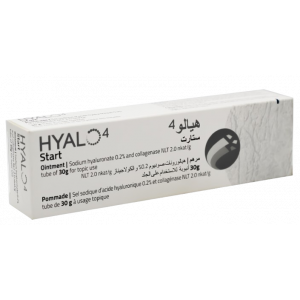
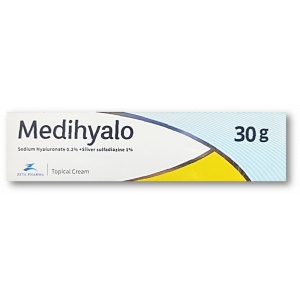
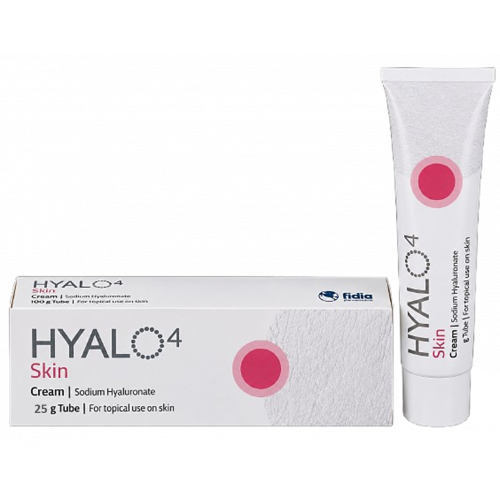
SODIUM HYALURONATE 0.2%
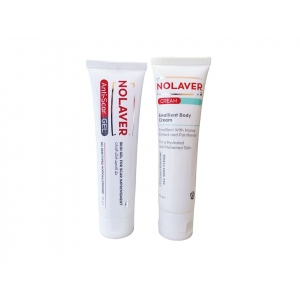
Gel & Cream Formulations
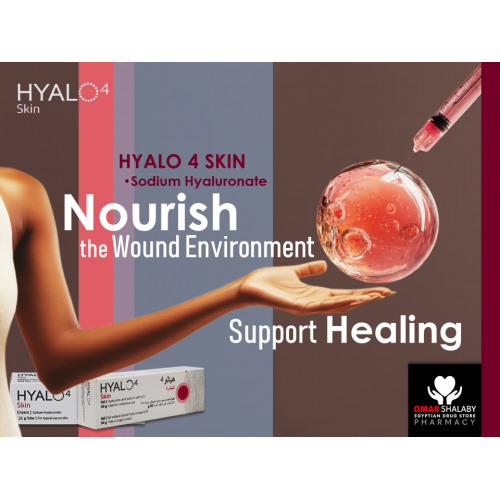
Sodium hyaluronate 0.2% is a topical formulation of hyaluronic acid, a naturally occurring glycosaminoglycan found in the skin and extracellular matrix. When applied to damaged skin or wounds, sodium hyaluronate can help maintain a hydrated wound environment and support physiological processes involved in tissue repair, including cellular migration, granulation and re-epithelialization.
It is available in different topical formulations, including gels, creams and wound-care preparations. Although the active ingredient may be the same, the formulation determines its physical properties and the appropriate clinical application.
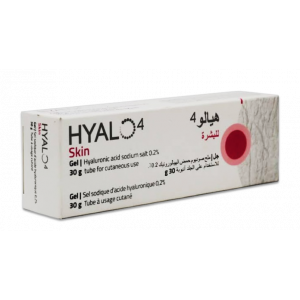
1. SODIUM HYALURONATE 0.2% GEL
A 0.2% sodium hyaluronate gel provides a water-rich topical matrix that can help maintain moisture at the wound surface. A clinical investigation specifically evaluating a 0.2% hyaluronic-acid hydrogel in acute and chronic wounds reported improvements in wound-bed characteristics, including granulation tissue and exudate management, with good tolerability.
Potential Benefits
- Helps maintain a moist wound environment.
- Supports the physiological wound-healing process.
- May facilitate cell migration and tissue regeneration.
- Can help prevent excessive dehydration of the wound surface.
- Suitable as a topical wound-care formulation when indicated.
- Gel formulations can be particularly useful when a hydrating, non-greasy wound-contact preparation is desirable.
Potential Clinical Applications
Depending on the specific registered product and its approved indication, 0.2% sodium hyaluronate gel may be used as part of the management of:
- Superficial skin wounds and abrasions.
- Selected acute wounds.
- Selected chronic ulcers.
- Partial-thickness dermal wounds.
- Wounds requiring maintenance of a moist healing environment.
Clinical evidence has investigated hyaluronic-acid preparations in diabetic foot ulcers, venous ulcers, pressure ulcers, burns and other wounds, although the strength of evidence varies between wound types and formulations.
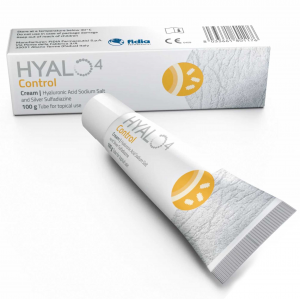
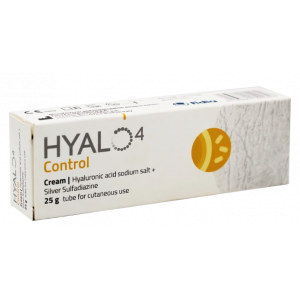
2. SODIUM HYALURONATE 0.2% CREAM
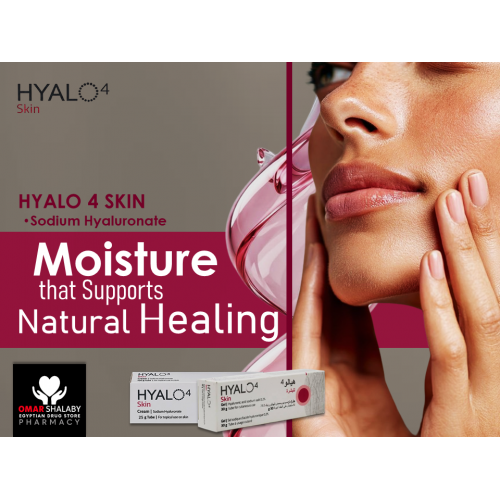
The cream formulation combines sodium hyaluronate with a cream vehicle designed for topical application to the skin. Sodium hyaluronate can help maintain hydration while supporting the wound-healing environment.
Hyaluronic-acid creams have been studied in wounds and burns, with evidence suggesting that topical HA can contribute to a moist environment and support cellular processes involved in tissue repair.
Potential Benefits
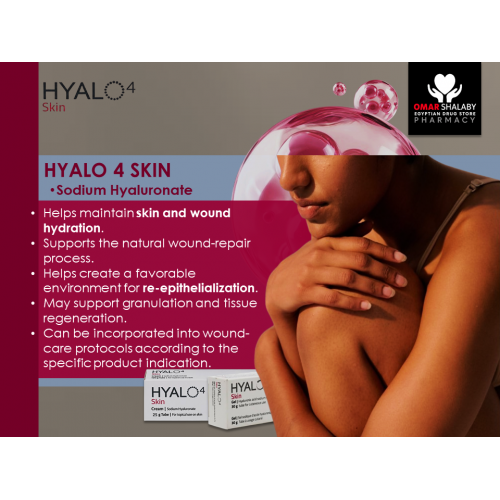
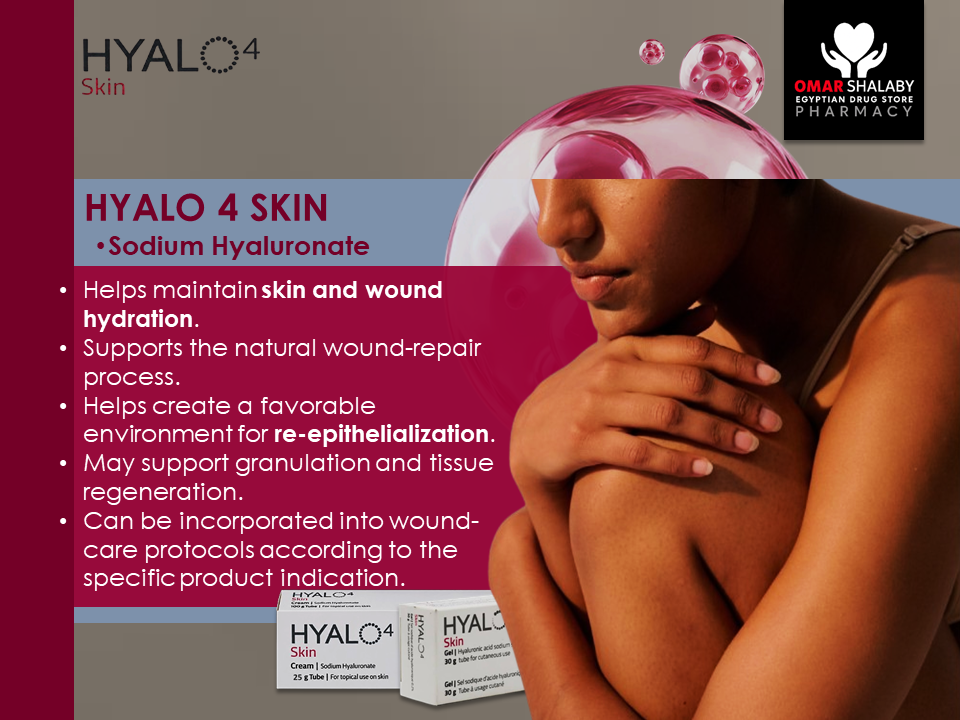
- Helps maintain skin and wound hydration.
- Supports the natural wound-repair process.
- Helps create a favorable environment for re-epithelialization.
- May support granulation and tissue regeneration.
- Provides a convenient cream-based vehicle for topical application.
- Can be incorporated into wound-care protocols according to the specific product indication.
HOW SODIUM HYALURONATE SUPPORTS WOUND HEALING
Sodium hyaluronate participates in several biological processes associated with tissue repair.
Sodium hyaluronate 0.2%
↓
Maintains hydration at the wound surface
↓
Supports cellular migration and extracellular-matrix interactions
↓
Supports granulation and re-epithelialization
↓
Contributes to the physiological wound-healing process
Hyaluronan is involved throughout different phases of normal wound healing, including inflammatory, proliferative and remodeling processes.
GEL vs. CREAM
| Feature | Sodium Hyaluronate 0.2% Gel | Sodium Hyaluronate 0.2% Cream |
|---|---|---|
| Main role | Hydrating wound-care preparation | Hydrating topical wound/skin preparation |
| Texture | Water-based/gel-like | Cream-based |
| Hydration | High | High |
| Greasiness | Generally low | May be more emollient |
| Wound environment | Helps maintain moisture | Helps maintain moisture |
| Potential use | Acute/chronic wounds according to product indication | Wounds and damaged skin according to product indication |
| Application | Direct topical application | Direct topical application |
Important: Gel and cream formulations containing the same concentration of sodium hyaluronate are not automatically interchangeable. The approved indication, excipients, application method and intended wound type should always be checked against the specific product information.
EVIDENCE FOR WOUND CARE
Research on topical hyaluronic acid and its derivatives suggests potential benefits in wound healing. A systematic review and meta-analysis of randomized trials found that several HA derivatives improved wound healing outcomes in studies involving burns, epithelial wounds and chronic wounds.
However, the evidence is not uniform for every wound type or every formulation. A Cochrane review evaluating HA-containing dressings and topical agents for chronic wounds concluded that the available evidence should be interpreted according to wound type and treatment context.
More recent evidence has also reported potential benefits in diabetic foot ulcers, including improved healing rates and shorter healing time, while emphasizing the need for additional high-quality studies.
Therefore, sodium hyaluronate should be considered a supportive component of wound management rather than a replacement for appropriate wound assessment and standard care.
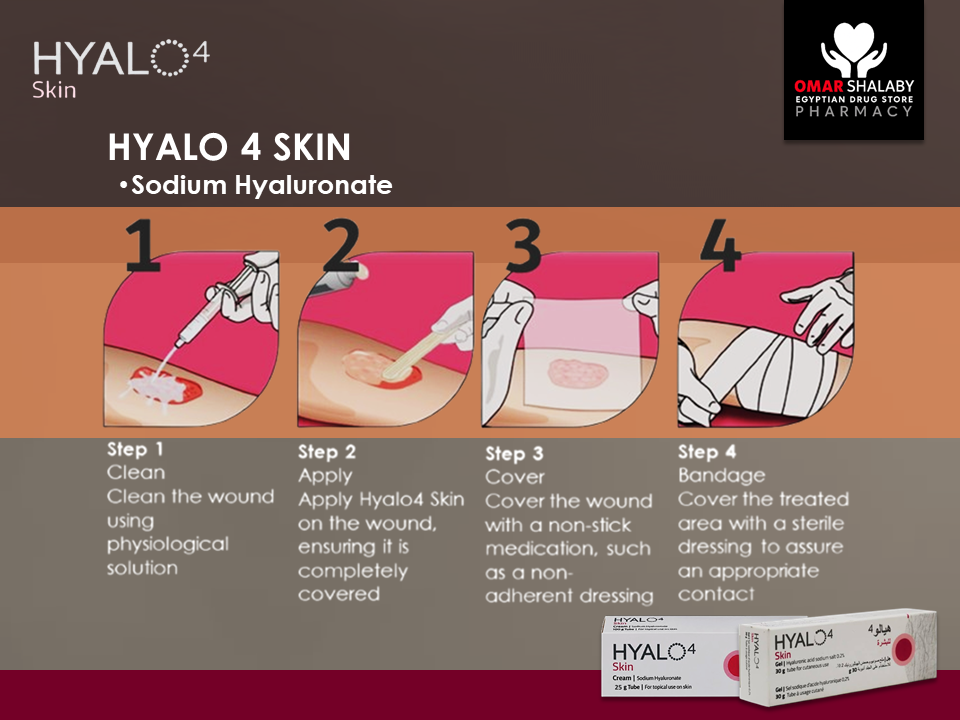
GENERAL DIRECTIONS FOR USE
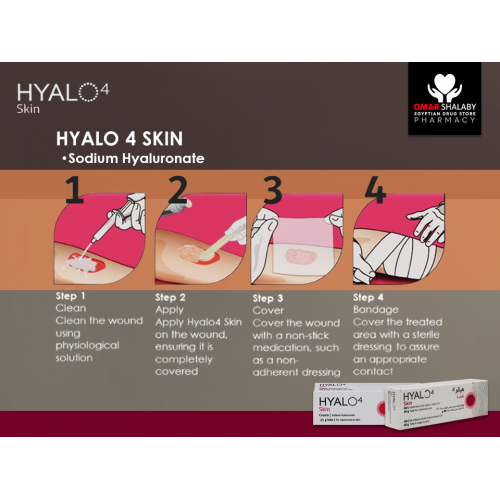
For topical preparations, apply a thin, even layer to the affected area according to the specific product instructions or healthcare professional's recommendation.
Depending on the wound, appropriate wound cleansing and/or dressing may be required.
Do not assume that the dosage or frequency used for one sodium hyaluronate 0.2% product applies to another product. Follow the manufacturer's instructions for the specific gel or cream.
PRECAUTIONS
- For external/topical use only, unless specifically indicated otherwise.
- Avoid contact with the eyes.
- Do not use in patients with known hypersensitivity to sodium hyaluronate or any formulation ingredient.
- Discontinue use and seek medical advice if significant irritation, swelling, rash or worsening symptoms develop.
- Do not use topical sodium hyaluronate as a substitute for medical treatment of serious or infected wounds.
- Patients with diabetes, poor circulation, pressure ulcers or chronic wounds should have their wounds appropriately assessed and monitored by a healthcare professional.
- Deep, extensive, heavily contaminated or infected wounds require professional evaluation.
- Appropriate wound cleansing, debridement, infection management and dressings may be required depending on the wound.
- Product-specific instructions should always take precedence because different sodium hyaluronate preparations may have different approved indications.
Burns
For significant burns, topical products should not delay medical assessment. WHO recommends appropriate burn assessment and medical care for significant injuries.
POSSIBLE ADVERSE EFFECTS
Topical sodium hyaluronate preparations are generally well tolerated in clinical studies. Possible local reactions may include:
- Mild irritation
- Redness
- Burning or stinging
- Itching
- Local hypersensitivity or allergic reaction
If a persistent or significant reaction occurs, stop using the product and consult a healthcare professional.
PATIENT DISCLAIMER
This information is provided for educational purposes only and is not a substitute for professional medical advice, diagnosis or treatment. Sodium hyaluronate 0.2% gel or cream may support the wound-healing environment, but it does not replace appropriate wound assessment, cleansing, infection control, debridement, dressings or other medical treatment when required. The appropriate formulation and duration of treatment depend on the type, depth, size, location and condition of the wound. Patients with diabetes, chronic ulcers, infected wounds, deep wounds or significant burns should seek professional medical care. Always follow the instructions supplied with the specific product and consult your doctor or pharmacist if you are unsure whether the preparation is appropriate for you.
References
- Cochrane Database of Systematic Reviews / PMC: Dressings and topical agents containing hyaluronic acid for chronic wound healing.
- PubMed/NIH: Hyaluronic acid derivatives and their healing effect on burns, surgical wounds and chronic wounds.
- NIH/PMC: The role of hyaluronan in wound healing.
- NIH/PMC: Hyaluronic Acid and Skin: Its Role in Aging and Wound-Healing Processes.
- NIH/PMC: Clinical investigation of a 0.2% hyaluronic-acid hydrogel in acute and chronic wounds.
- World Health Organization (WHO): Burns—management and first-aid guidance.
Write a review
Your Name:Your Review: Note: HTML is not translated!
Rating: Bad Good
Enter the code in the box below: