 Shopping Cart -
 - Anti-hestaminic & Respiratory Drugs (21)
- Anti-inflammatory Drugs (211) +-
- Baby & Mom (1382) +-
- Baby & Mom > Bath, skin & Hair > Skin Care > wibes (54)
- Beauty (3279) +-
- Beauty > Skin Care > whitening (307)
- Chemotherapy & Immune Response (895) +-
- Chemotherapy & Immune Response > ANTI-FUNGAL (11)
- Chemotherapy & Immune Response > Chemotherapeutic Agents > Hormone Antagonists >Enzyme Inhibitors (290)
- CIRCULATORY DISTURBANCE AGENTS (24)
- Diet & Fitness Products (287) +-
- DRUG AFFECTING CENTRAL NERVOUS SYSTEM (195)
- HEMATOLOGY (44)
-
Medical Supplies (539)
+-
- Chemicals & Disinfectants (19)
- Dental Supplies (38)
- Devices & Instruments (11)
- Diabetic Supplies (146)
- General Medical Supplies (21)
- I.V & Medical Solution (0)
- Intensive Care Unit & Anesthesia Supplies (0)
- KIDNEY UNIT SUPPLIES (23)
- Lab Supplies (3)
- Miscellaneous (21)
- Neonatal Unit Supplies (0)
- Operation Room Supplies (2)
- Sanitary (5)
- Sterilization Supplies (1)
- Surgical Sutures (4)
- Syringes (3)
-
Medicines & Health (2890)
+-
- Allergy & Sinus (100)
- Children's Health Care (54)
- Cough, Cold & Flu (306)
- Digestive Health & Nausea (249)
- Ear, Nose & Throat Care (204)
- Eye Care (135)
- Feminine Care (326)
- Foot Care (12)
- Orthopaedic Appliances (1)
- Pain Relief & Management (255)
- Pill Organizer (2)
- Skin Treatments (917)
- Sleep & Snoring Aids (2)
- Support & Braces (9)
- Medicines & health > Gout releif (41)
- Natural & Organic Products (82) +-
- OTC > Analgesics > Anti-inflammatory Drugs (48)
-
Personal Care (3474)
+-
- Bath & Body (282)
- Deodorant & Anti-perspirants (192)
- Ear, Nose & Throat Care (200)
- Eye Care (138)
- Feminine Care (378)
- Foot Care (24)
- Hair Care (529)
- Home Tests & Monitorings (17)
- Incontinence (7)
- Lip Care (29)
- Massage & Relaxation (17)
- Natural & Organic Personal Care (7)
- Oral Care (96)
- Pregnancy & Fertility (68)
- Shaving & Grooming (75)
- Sun Care (89)
-
Prescription Drugs (3177)
+-
- Analgesics (194)
- Cardiovascular System (424)
- Drugs Affecting Musculoskeletal System (65)
- Drugs Used In Infections (56)
- Ear & Nose Drugs (2)
- Endocrine System (224)
- Gastrointestinal Tract (264)
- Gastrointestinal Tract > Hepatology > Liver treatment (61)
- GYNECOLOGY (2)
- Miscellaneous (11)
- NEPHROLOGY > URINARY SYSTEM > RENAL DISORDERS > URINARY TRACT DISORDERS (52)
- NEUROLOGY (244)
- Nutrients & Blood Electrolytes (2)
- Respiratory System (171)
- SKIN > NAILS > HAIR > TOPICAL PREPARATIONS (147)
- Vaccines (1)
- Prescription drugs > Cardiovascular system > Anti-hypertension drugs (268)
- Sexual Wellness (325) +-
- Vitamins & Minerals Supplements (1282) +-
Availability: In Stock
Ex Tax: 1,682EGP
Example
You can return the product within 14 days of purchase.
ReturnsYou can return the product within 14 days of purchase.

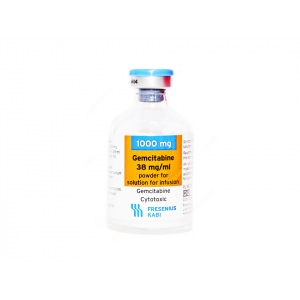
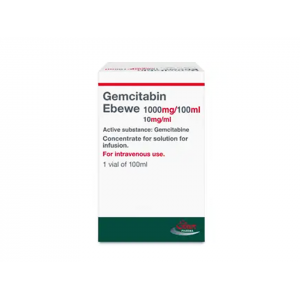
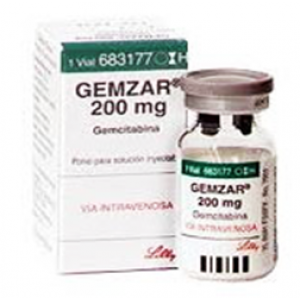
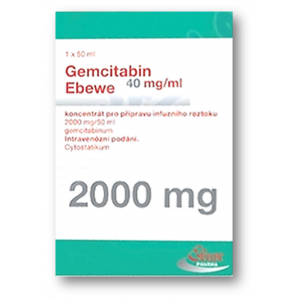
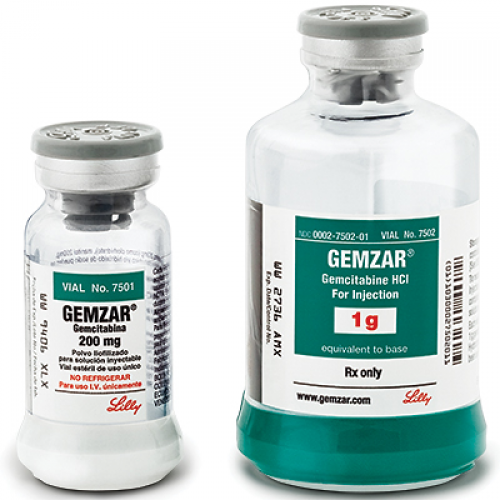
Gemcitabine
Gemcitabine Hydrochloride — Antineoplastic Antimetabolite | Intravenous Infusion
Product Description
Gemcitabine is a pyrimidine nucleoside analogue and antimetabolite chemotherapy medicine used alone or in combination with other anticancer agents for the treatment of several solid malignancies. It interferes with DNA synthesis, thereby inhibiting the replication and survival of rapidly dividing cancer cells.
Gemcitabine is administered by intravenous infusion and should be prescribed and administered under the supervision of an oncology specialist.
Active Ingredient & Pharmacological Class
- Active ingredient: Gemcitabine hydrochloride
- Pharmacological class: Antimetabolite / pyrimidine nucleoside analogue
- Route: Intravenous infusion
- Therapeutic category: Cytotoxic antineoplastic agent
Mechanism of Action
Gemcitabine enters cells and is converted intracellularly into active metabolites, principally difluorodeoxycytidine diphosphate (dFdCDP) and difluorodeoxycytidine triphosphate (dFdCTP).
- dFdCDP inhibits ribonucleotide reductase, reducing the availability of deoxynucleotides required for DNA synthesis.
- dFdCTP is incorporated into DNA, resulting in inhibition of DNA-chain elongation and termination of DNA synthesis.
- These effects interfere with DNA replication and can ultimately result in cell-cycle arrest and apoptosis.
Indications & Clinical Uses
Gemcitabine is approved, depending on the specific regulatory jurisdiction and treatment protocol, for use alone or with other medicines in several cancers.
Pancreatic Cancer
-
Used as a single agent for advanced pancreatic cancer, including pancreatic cancer that is locally advanced or metastatic.
Non-Small Cell Lung Cancer (NSCLC)
-
Used in combination with cisplatin for appropriate patients with advanced NSCLC.
Breast Cancer
-
Used in combination with paclitaxel for certain patients with metastatic breast cancer, particularly following previous anthracycline-containing chemotherapy.
Ovarian Cancer
-
Used in combination with carboplatin for advanced ovarian cancer that has relapsed after platinum-based therapy.
Gemcitabine is also used as a component of combination chemotherapy protocols for bladder/urothelial cancer, biliary tract cancer, cervical cancer and other malignancies, depending on the clinical protocol and applicable local authorization.
Administration & Dosing
Gemcitabine is administered intravenously, commonly as an infusion over approximately 30 minutes. The dose and treatment schedule are determined by the treating oncologist according to:
- Type and stage of cancer
- Treatment regimen and combination medicines
- Body-surface area
- Blood-cell counts
- Renal and hepatic function
- Previous chemotherapy or radiotherapy
- Treatment-related toxicity
Treatment is generally delivered in repeating cycles, with administration on specific days followed by a recovery period. The exact regimen varies considerably between cancer types and combination therapies.
Gemcitabine dosing must be individually prescribed and should not be calculated from this general description.
Monitoring During Treatment
Patients receiving gemcitabine generally require regular monitoring of:
- Complete blood count (CBC)
- Neutrophil and platelet counts
- Hemoglobin
- Liver-function tests
- Renal function
- Signs and symptoms of infection
- Treatment-related pulmonary and other toxicity
Dose interruption or modification may be required depending on laboratory results and clinical toxicity.
Important Warnings & Precautions
Myelosuppression
Gemcitabine can cause neutropenia, thrombocytopenia and anemia, potentially increasing the risks of infection, bleeding and symptomatic anemia.
Infections
Patients receiving cytotoxic chemotherapy may have increased susceptibility to infection, particularly when neutropenia occurs. Fever or other signs of infection require prompt medical assessment.
Hepatic toxicity
Gemcitabine may cause abnormalities in liver enzymes and, rarely, serious hepatic toxicity. Appropriate monitoring is particularly important in patients with pre-existing hepatic impairment.
Renal toxicity
Rare but serious renal complications, including hemolytic uremic syndrome (HUS), have been reported with gemcitabine. Renal function and blood parameters should be monitored when clinically indicated.
Pulmonary toxicity
Serious pulmonary reactions have been reported, including interstitial pneumonitis and pulmonary edema. New or worsening shortness of breath, cough, or other respiratory symptoms require prompt medical evaluation.
Capillary leak syndrome
Rare cases of capillary leak syndrome have been reported and may present with edema, hypotension, hypoalbuminemia and other systemic manifestations.
Posterior reversible encephalopathy syndrome (PRES)
Rare cases of PRES have been reported. New neurological symptoms such as severe headache, confusion, seizures or visual disturbances require urgent assessment.
Common Adverse Effects
Depending on the indication and combination chemotherapy regimen, reported adverse effects may include:
- Nausea and vomiting
- Fatigue
- Fever
- Rash
- Headache
- Flu-like symptoms
- Peripheral edema
- Diarrhea or constipation
- Elevated liver enzymes
- Neutropenia
- Thrombocytopenia
- Anemia
- Increased susceptibility to infections
The overall adverse-effect profile may be influenced by other anticancer medicines administered together with gemcitabine.
Preparation & Handling
Gemcitabine is a cytotoxic antineoplastic medicine. Preparation, dilution and administration should be performed by appropriately trained healthcare professionals using established procedures for handling hazardous cytotoxic medicines.
The specific diluent, concentration, compatibility, stability, storage after dilution and infusion instructions should always be taken from the current approved product information for the particular gemcitabine presentation and manufacturer.
Storage
Storage requirements can differ between formulations and manufacturers. The product should therefore be stored according to the manufacturer's current approved labeling.
Prepared infusion solutions should be stored and used within the stability period specified in the relevant product information and institutional chemotherapy procedures.
Patient Information
Patients should promptly contact their healthcare team if they develop:
- Fever, chills or other signs of infection
- Unusual bleeding or bruising
- Severe or persistent weakness
- Shortness of breath or new/worsening cough
- Significant swelling
- Reduced urine output
- Persistent vomiting or diarrhea
- Yellowing of the skin or eyes
- Severe headache, confusion, seizures or visual disturbances
Patients should inform their oncology team about all prescription medicines, OTC medicines, supplements, previous anticancer treatments, liver or kidney disease, and pregnancy or plans for pregnancy.
Patient / Medical Disclaimer
This information is provided for educational purposes only and is not intended to replace the advice of a qualified oncologist, hematologist, pharmacist, or other healthcare professional. Gemcitabine is a prescription cytotoxic chemotherapy medicine that must be prescribed, prepared, and administered by appropriately trained healthcare professionals. The dose and treatment schedule depend on the type and stage of cancer, treatment protocol, blood counts, kidney and liver function, previous treatments, and individual patient factors. Do not use, discontinue, or modify treatment without medical supervision. Always consult the current official product information and the treating oncology team before administration.
References
- National Cancer Institute (NCI) — Gemcitabine Hydrochloride
- NCI Drug Dictionary — Gemcitabine Hydrochloride
- World Health Organization (WHO) — Cancer Treatment
- World Health Organization (WHO) — Essential Medicines / Cancer Medicines
- European Medicines Agency (EMA) — Gemcitabine safety information
Write a review
Your Name:Your Review: Note: HTML is not translated!
Rating: Bad Good
Enter the code in the box below: