 Shopping Cart -
 - Anti-hestaminic & Respiratory Drugs (21)
- Anti-inflammatory Drugs (211) +-
- Baby & Mom (1382) +-
- Baby & Mom > Bath, skin & Hair > Skin Care > wibes (54)
- Beauty (3279) +-
- Beauty > Skin Care > whitening (307)
- Chemotherapy & Immune Response (895) +-
- Chemotherapy & Immune Response > ANTI-FUNGAL (11)
- Chemotherapy & Immune Response > Chemotherapeutic Agents > Hormone Antagonists >Enzyme Inhibitors (290)
- CIRCULATORY DISTURBANCE AGENTS (24)
- Diet & Fitness Products (287) +-
- DRUG AFFECTING CENTRAL NERVOUS SYSTEM (195)
- HEMATOLOGY (44)
-
Medical Supplies (539)
+-
- Chemicals & Disinfectants (19)
- Dental Supplies (38)
- Devices & Instruments (11)
- Diabetic Supplies (146)
- General Medical Supplies (21)
- I.V & Medical Solution (0)
- Intensive Care Unit & Anesthesia Supplies (0)
- KIDNEY UNIT SUPPLIES (23)
- Lab Supplies (3)
- Miscellaneous (21)
- Neonatal Unit Supplies (0)
- Operation Room Supplies (2)
- Sanitary (5)
- Sterilization Supplies (1)
- Surgical Sutures (4)
- Syringes (3)
-
Medicines & Health (2890)
+-
- Allergy & Sinus (100)
- Children's Health Care (54)
- Cough, Cold & Flu (306)
- Digestive Health & Nausea (249)
- Ear, Nose & Throat Care (204)
- Eye Care (135)
- Feminine Care (326)
- Foot Care (12)
- Orthopaedic Appliances (1)
- Pain Relief & Management (255)
- Pill Organizer (2)
- Skin Treatments (917)
- Sleep & Snoring Aids (2)
- Support & Braces (9)
- Medicines & health > Gout releif (41)
- Natural & Organic Products (82) +-
- OTC > Analgesics > Anti-inflammatory Drugs (48)
-
Personal Care (3474)
+-
- Bath & Body (282)
- Deodorant & Anti-perspirants (192)
- Ear, Nose & Throat Care (200)
- Eye Care (138)
- Feminine Care (378)
- Foot Care (24)
- Hair Care (529)
- Home Tests & Monitorings (17)
- Incontinence (7)
- Lip Care (29)
- Massage & Relaxation (17)
- Natural & Organic Personal Care (7)
- Oral Care (96)
- Pregnancy & Fertility (68)
- Shaving & Grooming (75)
- Sun Care (89)
-
Prescription Drugs (3177)
+-
- Analgesics (194)
- Cardiovascular System (424)
- Drugs Affecting Musculoskeletal System (65)
- Drugs Used In Infections (56)
- Ear & Nose Drugs (2)
- Endocrine System (224)
- Gastrointestinal Tract (264)
- Gastrointestinal Tract > Hepatology > Liver treatment (61)
- GYNECOLOGY (2)
- Miscellaneous (11)
- NEPHROLOGY > URINARY SYSTEM > RENAL DISORDERS > URINARY TRACT DISORDERS (52)
- NEUROLOGY (244)
- Nutrients & Blood Electrolytes (2)
- Respiratory System (171)
- SKIN > NAILS > HAIR > TOPICAL PREPARATIONS (147)
- Vaccines (1)
- Prescription drugs > Cardiovascular system > Anti-hypertension drugs (268)
- Sexual Wellness (325) +-
- Vitamins & Minerals Supplements (1282) +-

Ex Tax: 1,000EGP
Example
You can return the product within 14 days of purchase.
ReturnsYou can return the product within 14 days of purchase.

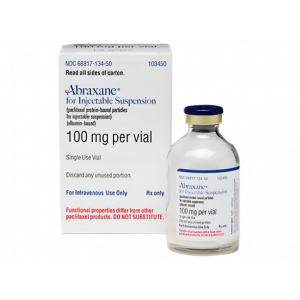
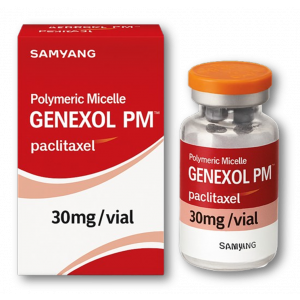
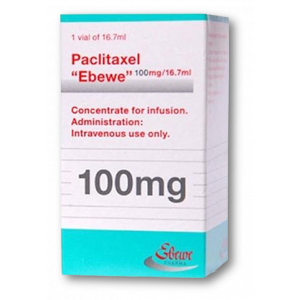
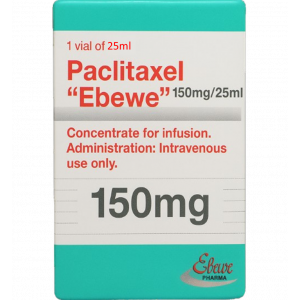
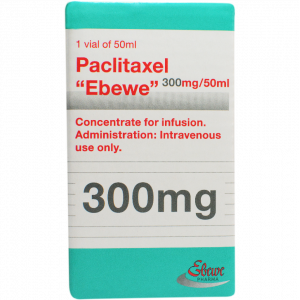
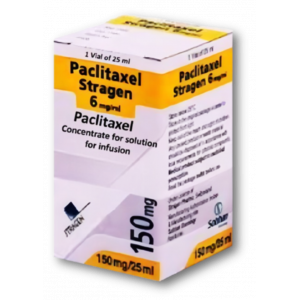
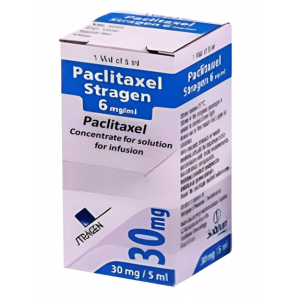
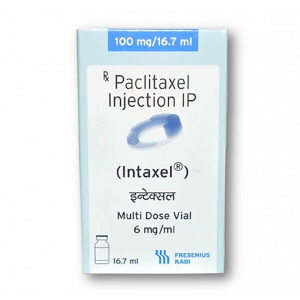
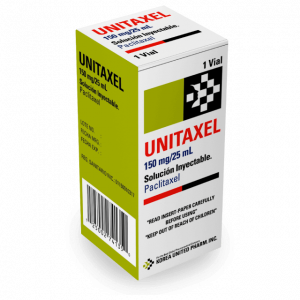
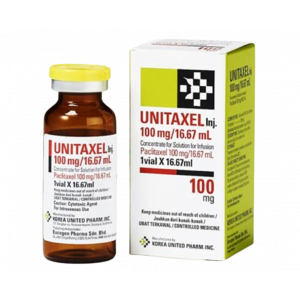
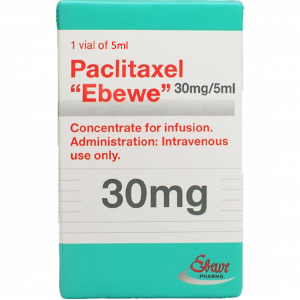
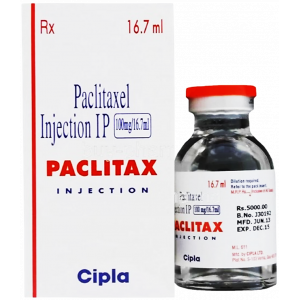
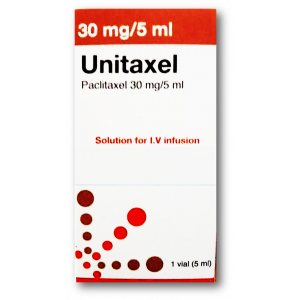
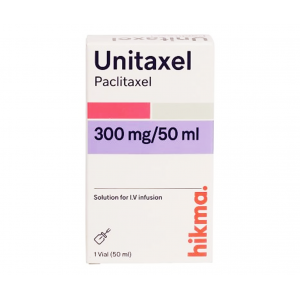
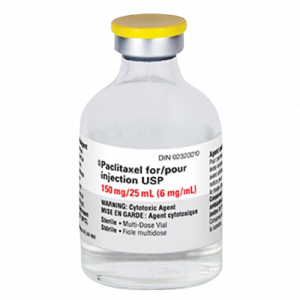
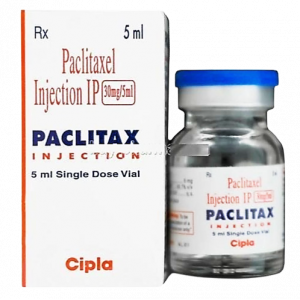
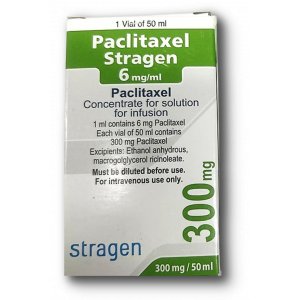
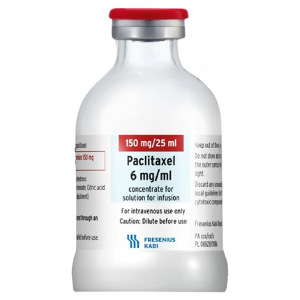
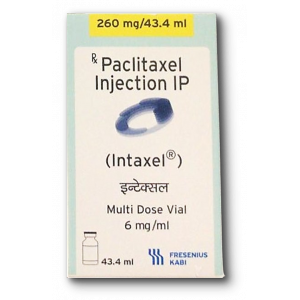
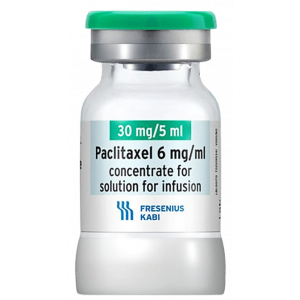
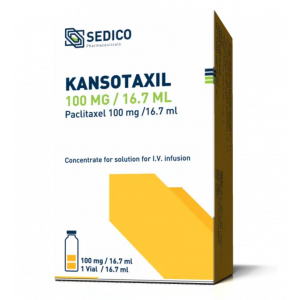
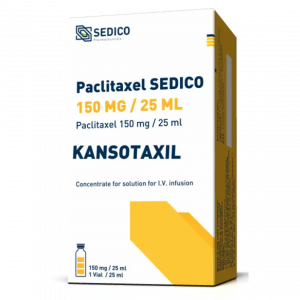
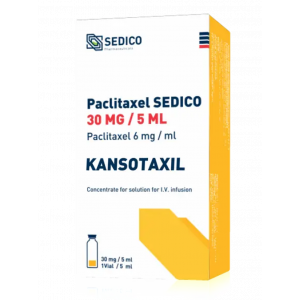
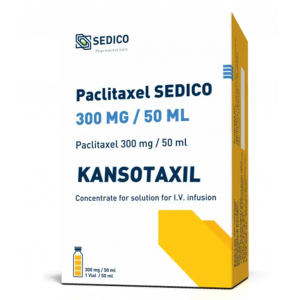
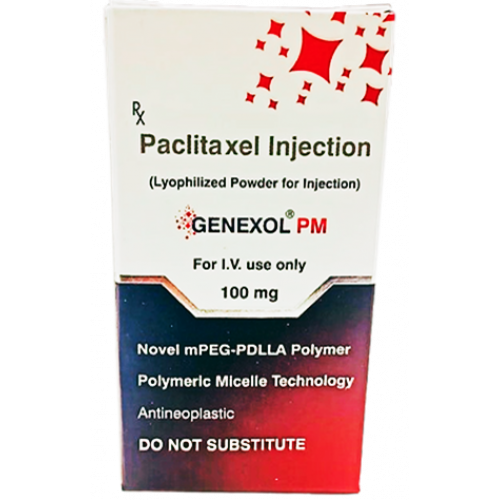
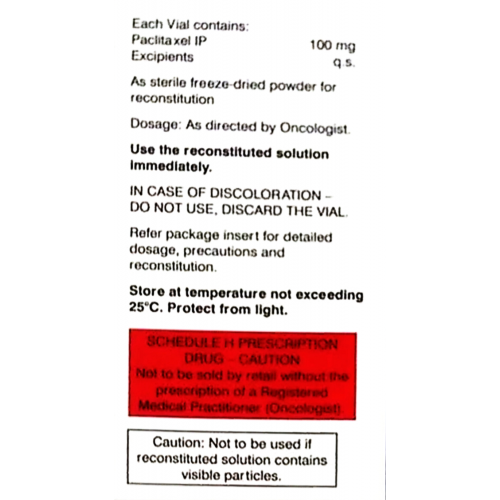
Paclitaxel
Antineoplastic Chemotherapy Agent — Taxane
Product Description
Paclitaxel is a taxane antineoplastic agent used in the treatment of several solid tumors. It interferes with the normal function of microtubules, structures essential for chromosome movement and cell division, thereby preventing cancer cells from completing mitosis and ultimately leading to cell death.
Conventional paclitaxel is administered by intravenous infusion and requires appropriate preparation and administration by healthcare professionals experienced in cytotoxic chemotherapy.
Active Ingredient & Pharmacological Class
- Active ingredient: Paclitaxel
- Pharmacological class: Taxane / microtubule inhibitor
- ATC: L01CD01
- Therapeutic category: Cytotoxic antineoplastic agent
- Route: Intravenous infusion for conventional paclitaxel formulations
Mechanism of Action
Paclitaxel binds to tubulin, a structural protein of microtubules, and promotes stabilization of microtubules while preventing their normal depolymerization.
This disrupts the dynamic microtubule processes required for:
- Chromosome movement
- Mitotic spindle function
- Normal cell division
- Progression through mitosis
As a result, paclitaxel causes mitotic arrest and can ultimately induce apoptosis of susceptible cancer cells.
Indications & Clinical Uses
Depending on the specific formulation, treatment regimen, and applicable regulatory authorization, conventional paclitaxel is used alone or in combination with other anticancer medicines for:
Ovarian Cancer
- Advanced ovarian carcinoma, including use with platinum-based chemotherapy in appropriate treatment settings.
- Paclitaxel is an established component of chemotherapy regimens for advanced ovarian cancer.
Breast Cancer
- Adjuvant treatment in selected patients with node-positive breast cancer as part of combination chemotherapy.
- Treatment of metastatic breast cancer, including patients whose disease has not responded adequately to prior combination chemotherapy.
Non-Small Cell Lung Cancer (NSCLC)
-
Used in combination with cisplatin as first-line therapy for locally advanced or metastatic NSCLC in appropriate patients.
AIDS-Related Kaposi Sarcoma
-
May be used as second-line therapy for AIDS-related Kaposi sarcoma in appropriate patients.
Paclitaxel is also incorporated into numerous oncology protocols for other malignancies; the indication should always be confirmed against the specific formulation's approved product information.
►Important: Conventional paclitaxel and albumin-bound paclitaxel (nab-paclitaxel) are different formulations and are not interchangeable on a dose-for-dose basis. (European Medicines Agency (EMA))
Administration & Dosing
Conventional paclitaxel is administered by intravenous infusion. The dosage and treatment schedule depend on:
- Type and stage of malignancy
- Combination chemotherapy regimen
- Body-surface area
- Hepatic function
- Blood-cell counts
- Previous chemotherapy or radiotherapy
- Individual treatment response and toxicity
Paclitaxel is commonly administered in repeating treatment cycles, with the schedule varying according to the cancer and combination regimen.
Because conventional paclitaxel can cause serious hypersensitivity reactions, appropriate premedication and clinical monitoring are required according to the approved product information and oncology protocol.
The dose must be individually prescribed by the treating oncologist and should not be determined from this general description.
Premedication & Infusion Monitoring
Conventional paclitaxel formulations can cause severe hypersensitivity reactions. Premedication with corticosteroids and appropriate H1/H2 antihistamines is commonly used according to the specific product labeling and treatment protocol.
Patients should be monitored during the infusion for symptoms such as:
- Flushing
- Rash or urticaria
- Dyspnea
- Wheezing or bronchospasm
- Hypotension
- Chest discomfort
- Angioedema
- Other manifestations of hypersensitivity
Important Warnings & Precautions
1. Severe hypersensitivity reactions
Serious and potentially life-threatening hypersensitivity reactions can occur with conventional paclitaxel. Appropriate emergency facilities and trained personnel should be available during administration.
2. Myelosuppression
Neutropenia is an important dose-limiting toxicity. Paclitaxel can also cause anemia and thrombocytopenia. Blood counts should be monitored before and during treatment.
3. Peripheral neuropathy
Paclitaxel can cause sensory peripheral neuropathy, which may manifest as numbness, tingling, burning sensations, or pain in the hands and feet. The severity may increase with cumulative exposure.
4. Cardiac effects
Bradycardia, conduction abnormalities, hypotension, and other cardiovascular events have been reported. Patients with significant cardiovascular disease may require particular monitoring.
5. Hepatic impairment
Paclitaxel is extensively metabolized by the liver. Patients with hepatic impairment may have increased exposure and toxicity and may require appropriate dose adjustment according to the product information.
6. Extravasation
Paclitaxel is a cytotoxic medicine. Accidental leakage outside the vein can cause local tissue injury, requiring immediate assessment and management according to institutional extravasation protocols.
Common Adverse Effects
Depending on the regimen and concomitant medicines, adverse effects may include:
- Neutropenia
- Anemia
- Thrombocytopenia
- Peripheral neuropathy
- Myalgia and arthralgia
- Alopecia
- Nausea and vomiting
- Diarrhea
- Mucositis
- Fatigue
- Injection/infusion-site reactions
- Hypersensitivity reactions
- Transient changes in liver enzymes
The frequency and severity of adverse effects depend on dose, infusion schedule, combination chemotherapy, and individual patient characteristics.
Drug Interactions & Clinical Considerations
Paclitaxel is metabolized primarily through hepatic CYP2C8 and CYP3A4 pathways. Medicines that substantially inhibit or induce these pathways may alter paclitaxel exposure.
Patients should therefore provide their oncology team with a complete list of:
- Prescription medicines
- OTC medicines
- Herbal products
- Dietary supplements
- Previous chemotherapy agents
Paclitaxel may also be administered as part of combination regimens in which interactions and overlapping toxicities require careful monitoring.
Preparation & Handling
Paclitaxel is a cytotoxic antineoplastic medicine. Preparation, dilution, and administration should be performed by trained healthcare professionals using appropriate hazardous-drug handling procedures.
The exact diluent, final concentration, infusion equipment, filtration requirements, compatibility, stability, and storage after dilution depend on the specific paclitaxel product and must follow the current manufacturer-approved product information.
Monitoring During Treatment
Patients receiving paclitaxel generally require monitoring of:
- Complete blood count (CBC)
- Absolute neutrophil count
- Platelet count
- Liver function
- Neurological symptoms, particularly peripheral neuropathy
- Signs of hypersensitivity during infusion
- Cardiovascular status when clinically indicated
- Signs of infection
Treatment may need to be delayed, reduced, or discontinued depending on hematologic or non-hematologic toxicity.
Pregnancy & Fertility
Paclitaxel can cause fetal harm and should not be used during pregnancy unless specifically determined to be appropriate by the treating specialist.
Patients who could become pregnant should discuss effective contraception with their healthcare professional. Paclitaxel may also adversely affect fertility in some patients.
Patient Information
Patients should immediately inform their healthcare team if they develop:
- Fever or other signs of infection
- Difficulty breathing or wheezing
- Facial or throat swelling
- Severe rash
- Severe or persistent numbness, tingling, or burning sensations
- Unusual bleeding or bruising
- Severe weakness
- Chest pain or palpitations
- Severe pain, redness, or swelling at the infusion site
Patient / Medical Disclaimer
This information is provided for educational purposes only and is not intended to replace the advice of a qualified oncologist, hematologist, pharmacist, or other healthcare professional. Paclitaxel is a prescription cytotoxic chemotherapy medicine that must be prescribed, prepared, and administered by appropriately trained healthcare professionals. The dose, infusion schedule, premedication, and treatment duration depend on the type and stage of cancer, treatment protocol, blood counts, liver function, previous treatments, and individual patient factors. Do not use, discontinue, or modify treatment without medical supervision. Always consult the current official product information and the treating oncology team before administration.
References
- National Cancer Institute (NCI) — Paclitaxel.
- NCI Drug Dictionary — Paclitaxel.
- European Medicines Agency — Paclitaxel products.
- European Medicines Agency — Albumin-bound paclitaxel.
Write a review
Your Name:Your Review: Note: HTML is not translated!
Rating: Bad Good
Enter the code in the box below: