 Shopping Cart -
- Anti-hestaminic & Respiratory Drugs
- Anti-inflammatory Drugs +-
- Baby & Mom +-
- Baby & Mom > Bath, skin & Hair > Skin Care > wibes
- Beauty +-
- Beauty > Skin Care > whitening
- Chemotherapy & Immune Response +-
- Chemotherapy & Immune Response > ANTI-FUNGAL
- Chemotherapy & Immune Response > Chemotherapeutic Agents > Hormone Antagonists >Enzyme Inhibitors
- CIRCULATORY DISTURBANCE AGENTS
- Diet & Fitness Products +-
- DRUG AFFECTING CENTRAL NERVOUS SYSTEM
- HEMATOLOGY
-
Medical Supplies
+-
- Chemicals & Disinfectants
- Dental Supplies
- Devices & Instruments
- Diabetic Supplies
- General Medical Supplies
- I.V & Medical Solution
- Intensive Care Unit & Anesthesia Supplies
- KIDNEY UNIT SUPPLIES
- Lab Supplies
- Miscellaneous
- Neonatal Unit Supplies
- Operation Room Supplies
- Sanitary
- Sterilization Supplies
- Surgical Sutures
- Syringes
- Medicines & Health +-
- Medicines & health > Gout releif
- Natural & Organic Products +-
- OTC > Analgesics > Anti-inflammatory Drugs
- Personal Care +-
-
Prescription Drugs
+-
- Analgesics
- Cardiovascular System
- Drugs Affecting Musculoskeletal System
- Drugs Used In Infections
- Ear & Nose Drugs
- Endocrine System
- Gastrointestinal Tract
- Gastrointestinal Tract > Hepatology > Liver treatment
- GYNECOLOGY
- Miscellaneous
- NEPHROLOGY > URINARY SYSTEM > RENAL DISORDERS > URINARY TRACT DISORDERS
- NEUROLOGY
- Nutrients & Blood Electrolytes
- Respiratory System
- SKIN > NAILS > HAIR > TOPICAL PREPARATIONS
- Vaccines
- Prescription drugs > Cardiovascular system > Anti-hypertension drugs
- Sexual Wellness +-
- Vitamins & Minerals Supplements +-
Ex Tax: 20EGP
Example
You can return the product within 14 days of purchase.
ReturnsYou can return the product within 14 days of purchase.

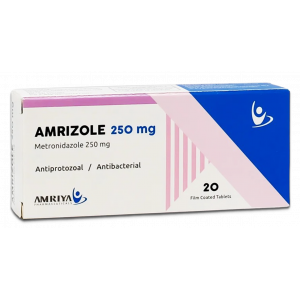
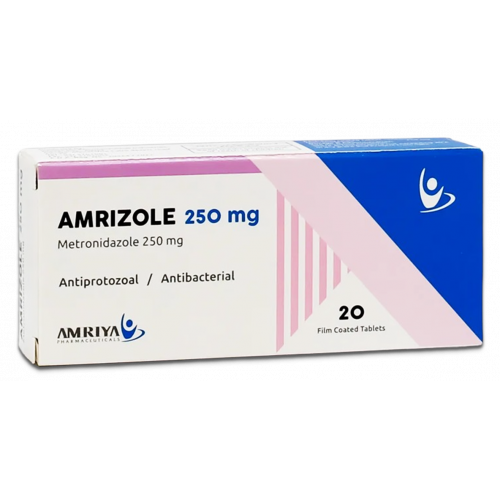
AMRIZOLE 250 MG (METRONIDAZOLE) – FILM-COATED TABLETS
Active Ingredient: Metronidazole 250 mg
Pharmaceutical Form: Film-coated tablets
Pack Size: 20 tablets
Therapeutic Class: Nitroimidazole antimicrobial agent (Antibacterial and Antiprotozoal).
Product Overview
Amrizole 250 mg contains metronidazole, a nitroimidazole antimicrobial medication used to treat infections caused by susceptible anaerobic bacteria and certain protozoa.
Metronidazole works by entering susceptible microorganisms and forming active compounds that damage their DNA, inhibit nucleic acid synthesis, and ultimately lead to microbial cell death.
The 250 mg tablet strength allows flexible dosing according to the type and severity of infection and the patient's individual treatment requirements.
Indications and Uses
Amrizole 250 mg may be prescribed for the treatment of:
- Amoebiasis: Treatment of intestinal and extraintestinal infections caused by Entamoeba histolytica.
- Giardiasis: Treatment of intestinal infections caused by Giardia duodenalis.
- Trichomoniasis: Treatment of infections caused by Trichomonas vaginalis.
- Anaerobic bacterial infections: Treatment of infections caused by susceptible anaerobic microorganisms.
- Bacterial vaginosis: Treatment of vaginal bacterial overgrowth associated with disruption of normal vaginal flora.
- Dental infections: As part of an appropriate treatment plan when anaerobic bacteria are involved.
- Intra-abdominal and pelvic infections: As part of combination antimicrobial therapy when clinically indicated.
- Surgical infection prevention: In selected procedures where anaerobic bacterial coverage is required.
Important: Metronidazole is not effective against viral infections such as the common cold or influenza, and it does not treat all bacterial infections.
Mechanism of Action
Metronidazole is activated inside susceptible anaerobic microorganisms and protozoa, producing compounds that interact with and damage microbial DNA.
This results in:
- Inhibition of DNA synthesis.
- Disruption of essential cellular functions.
- Prevention of microbial replication.
- Death of susceptible microorganisms.
Dosage and Administration
Route of Administration: Oral.
The appropriate dosage depends on the type and severity of infection, the patient's age, and individual clinical condition.
- Adults: Dosage varies according to the infection being treated.
- Pediatric patients: Doses are calculated according to body weight (mg/kg/day).
- Treatment duration: Depends on the specific infection and prescribed regimen.
Administration Instructions:
- Swallow the tablets with water.
- Take with or after food if gastrointestinal discomfort occurs.
- Follow the prescribed dosing schedule.
- Complete the full treatment course as directed.
- Do not double the dose if a dose is missed.
Clinical dosing examples:
- Bacterial vaginosis: 500 mg twice daily for 7 days in the CDC-recommended oral regimen.
- Trichomoniasis in women: 500 mg twice daily for 7 days.
The 250 mg tablet strength may be used to achieve prescribed doses when appropriate. These examples are not universal dosing instructions.
Possible Side Effects
Common side effects may include:
- Nausea and vomiting.
- Diarrhea.
- Abdominal discomfort or stomach cramps.
- Metallic or unpleasant taste in the mouth.
- Loss of appetite.
- Headache and dizziness.
- Dark-colored urine (usually harmless).
Rare but potentially serious adverse reactions include:
- Allergic reactions, including rash and swelling.
- Peripheral neuropathy (numbness or tingling).
- Seizures.
- Confusion or coordination difficulties.
- Severe skin reactions.
Seek medical attention if serious or unusual symptoms develop.
Contraindications and Precautions
Contraindications:
- Known hypersensitivity to metronidazole or other nitroimidazole derivatives.
- Recent disulfiram use (within the previous two weeks).
Precautions:
- Use cautiously in patients with severe liver impairment; dosage adjustment may be necessary.
- Patients with a history of neurological disorders should be carefully monitored.
- Inform the doctor about any history of blood disorders.
- Use during pregnancy or breastfeeding should be discussed with a healthcare professional.
- Patients taking anticoagulants, particularly warfarin, may require additional monitoring.
- Avoid unnecessary or prolonged use to minimize antimicrobial resistance.
Important Drug and Lifestyle Interactions
- Alcohol: Follow the product labeling and avoid alcoholic beverages during treatment and for at least 48 hours after the last dose.
- Disulfiram: Concurrent use may cause serious psychiatric reactions.
- Warfarin: May increase anticoagulant activity and bleeding risk.
- Lithium: May increase lithium concentrations and the risk of toxicity.
- Phenytoin and phenobarbital: May alter metronidazole concentrations and treatment response.
Storage Conditions
- Store according to the manufacturer's recommended storage conditions.
- Protect from excessive heat, moisture, and direct sunlight.
- Keep in the original packaging.
- Keep out of reach of children.
- Do not use after the expiry date.
Patient Counseling Points
- Use Amrizole only when prescribed by a healthcare professional.
- Complete the prescribed treatment course, even if symptoms improve.
- Avoid alcohol during treatment and for at least 48 hours afterward.
- Do not use antibiotics to treat viral infections such as influenza or the common cold.
- Inform your healthcare professional about other medications you are taking.
- Seek medical advice if symptoms persist, worsen, or recur.
References
- CDC: Bacterial Vaginosis – Sexually Transmitted Infections Treatment Guidelines. View clinical guidelines.
- World Health Organization (WHO): Recommendations for the Treatment of Trichomonas vaginalis and Bacterial Vaginosis. View WHO recommendations.
- National Health Service (NHS): Metronidazole – Uses, Precautions, and Side Effects. Read medical information.
- National Health Service (NHS): Metronidazole Side Effects and Alcohol Precautions. Read safety guidance.
Patient Disclaimer: This information is intended for educational purposes only and should not replace professional medical advice, diagnosis, or treatment. Always consult a qualified healthcare professional before using this medication. The appropriate dosage, frequency, and duration must be determined according to the patient's age, body weight, medical condition, and type of infection.
Write a review
Your Name:Your Review: (optional) Text is optional. Maximum 1,000 characters. Reviews are published automatically after validation.
Rating: Bad Good
Enter the code in the box below: